

Your grandmother probably called it the bitterest thing she ever made you drink. She was right. But she may also have been onto something.
Neem karela jamun juice has been a fixture in Indian households and Ayurvedic clinics for generations, prescribed quietly alongside metformin prescriptions, morning yoga routines, and stern dietary lectures.
Today, it sits in the wellness aisle of every pharmacy from Mumbai to Manchester, marketed confidently to the 101 million Indians now living with diabetes, according to the ICMR-INDIAB study published in The Lancet Diabetes & Endocrinology.
Globally, the numbers are staggering: the IDF Diabetes Atlas estimates that over 500 million adults worldwide had diabetes in 2024, with 252 million of them entirely undiagnosed.
So it makes sense that people are reaching for every available tool. But here is where the conversation gets more honest than most product pages allow.
Neem karela jamun juice is genuinely interesting from a pharmacological standpoint.
It also comes with real limitations, real risks for certain people, and a body of clinical evidence that is more complicated than any marketing copy will tell you.
This is that honest conversation.
Key Takeaways
The three core ingredients, neem (*Azadirachta indica*), karela (*Momordica charantia*), and jamun (*Syzygium cumini*), each carry distinct bioactive compounds with research-backed effects on blood glucose metabolism.
A 12-week randomized clinical trial found bitter melon extract significantly reduced blood glucose in prediabetic participants, though a 2023 meta-analysis in *Frontiers in Nutrition* concluded the overall RCT evidence remains mixed.
Neem contains over 130 biologically active compounds, including nimbin, nimbidin, and azadirachtin, with documented anti-inflammatory, hepatoprotective, and anti-diabetic effects.
This juice is not a replacement for diabetes medication and carries real drug interaction risks, particularly with insulin and oral hypoglycemics.
Certain groups, including pregnant women and people with G6PD deficiency, should avoid it entirely.
What Is Actually in This Juice
Before you can assess the benefits, you need to understand the ingredients at a molecular level, because this is where most guides stop short.
Karela (Momordica charantia)
It is the heavy hitter. The three compounds responsible for its blood sugar effects are charantin, polypeptide-p, and vicine.
Charantin is a mixture of steroidal saponins that has been shown to lower blood glucose in animal models.
Polypeptide-p is arguably the most fascinating: it is a plant-derived insulin analog, sometimes called “plant insulin” or “v-insulin,” that can mimic the function of human insulin at the cellular level.
A 12-week randomized clinical study published in *Food Science & Biotechnology* found that bitter melon extract significantly decreased oral glucose tolerance test blood glucose levels in 76 prediabetic Korean participants, while also suppressing glucagon levels at 120 minutes post-OGTT.
That glucagon suppression detail matters, and most articles skip it entirely.
Neem (Azadirachta indica)
Neem is older medicine still. Ancient Ayurvedic texts call it *Sarva Roga Nivarini*, the universal healer, and modern phytochemical research is beginning to justify that reputation.
A 2024 NIH review confirmed that over 300 chemicals have been identified in neem, with leaves specifically enriched in glycoproteins, flavonoids, polyphenols, and isoprenoids.
In a 12-week clinical study indexed on PubMed, subjects with metabolic syndrome given aqueous neem leaf extract at doses of 125 mg, 250 mg, or 500 mg twice daily showed dose-dependent improvements in fasting blood sugar, postprandial blood sugar, insulin resistance, and HbA1c. Those are not trivial outcomes.
Jamun (Syzygium cumini)
Indian black berry rounds out the formula quietly but meaningfully. The seeds and pulp contain jamboline and jambosine, alkaloids that are thought to slow the conversion of starch into sugar.
A 2025 study in *Food Science & Nutrition* found that a low-calorie jamun drink significantly reduced blood glucose levels in diabetic animal models with no adverse effects on renal or pancreatic tissues, suggesting its role as a functional dietary intervention worth further human trials.
If you want to explore this combination in a ready-to-use form, the Neem Karela Jamun Juice from Ultra Healthcare combines all three in a formulation designed around these traditional ratios.
Neem Karela Jamun Juice Benefits | What the Science Actually Says

Blood Sugar Management
This is the primary reason people reach for this juice, and the evidence is real but nuanced.
Across multiple mechanisms, including insulin mimicry via polypeptide-p, glucagon suppression via charantin, and starch-to-sugar conversion inhibition via jamboline, the three ingredients work along complementary pathways.
That synergy is biologically plausible and clinically interesting.
The honest caveat: a 2023 systematic review and meta-analysis in *Frontiers in Nutrition* reviewed all available randomized controlled trials on *Momordica charantia* and concluded that while individual studies show promising effects, the overall clinical evidence is still inconclusive.
This does not mean the juice does not work. It means that large-scale, high-quality human trials have not yet produced the kind of definitive proof that would satisfy a regulatory body. You deserve to know that.
Liver and Digestive Support
Neem’s hepatoprotective properties are among the better-studied aspects of its pharmacology.
The flavonoids and polyphenols in neem leaves help neutralize oxidative stress in liver cells, while karela has traditionally been used to support bile production and fat metabolism.
This is why the juice is often recommended before meals, particularly for people managing fatty liver alongside blood sugar concerns.
Immunity and Anti-Inflammatory Effects
The NIH review of neem’s therapeutic potential documented its antimicrobial, anti-inflammatory, anti-arthritic, and even anti-cancer properties across preclinical studies.
Nimbin and nimbidin in particular show strong anti-inflammatory activity.
For daily immune support, this juice operates as a background intervention rather than an acute treatment, similar to the role of an Ayurvedic immunity booster tonic in a broader wellness protocol.
Skin and Antioxidant Benefits
Neem’s antioxidant profile has measurable effects on skin health, which is why it appears not only in juices but in topical products. Jamun is also high in anthocyanins, which combat free radical damage.
The internal use of this juice as a complement to external skincare is a reasonable Ayurvedic application.
Readers interested in a layered approach to skin health may also find a Vitamin C serum for dark spots worth exploring as part of that routine.
How to Use It – Dosage and Timing
Measure
Open the bottle and take 20ml using the bottle cap as your measure
Mix
Mix in a full glass of water (200–250ml), plain or lukewarm
Drink
30 minutes before meals – twice daily, before breakfast & dinner
Most Ayurvedic practitioners recommend 20 to 30 ml of neem karela jamun juice, diluted in an equal volume of water, taken on an empty stomach in the morning.
Some protocols suggest a second dose before dinner, particularly for individuals focused on postprandial blood sugar management.
A few things matter here. First, morning consumption on an empty stomach is not arbitrary: it aligns with the natural cortisol rise that drives fasting glucose levels upward in the early hours.
Taking the juice at this window may blunt that rise. Second, diluting it is not weakness.
The concentrated bitterness of undiluted juice can trigger nausea in many people, which leads them to abandon it altogether. Consistency matters more than concentration.
Do not exceed 30 ml per dose. Consuming too much karela juice in particular can cause diarrhea, stomach cramping, and in larger quantities, has been associated with liver enzyme disruption.
The phrase “natural means safe in any quantity” is one of the more persistent and dangerous wellness myths in circulation.
How to Make Neem Karela Jamun Juice at Home
Most people assume this juice requires special equipment or a degree in Ayurvedic pharmacy.
It does not. If you have a blender, a strainer, and twenty minutes, you can make a batch that lasts three days in the refrigerator.
That said, there are real differences between a home-prepared juice and a standardised commercial formula – and you deserve to understand both before choosing which route works for you.
Who Should Not Take This Juice
This section is the one most product pages conveniently omit. Pay attention here.
People on diabetes medication or insulin: WebMD’s clinical monograph on bitter melon notes moderate interactions with at least 25 drug classes.
Karela’s insulin-mimicking compounds can have additive effects when combined with metformin, sulfonylureas, or injected insulin, pushing blood sugar dangerously low.
If you are on any antidiabetic medication, speak with your doctor before starting this juice. This is not a precautionary boilerplate. It is genuinely important.
Pregnant women: Bitter melon has demonstrated uterotonic effects in animal models, meaning it may stimulate uterine contractions. It is considered possibly unsafe during pregnancy.
This warning applies regardless of how traditional or natural the product appears.
People with G6PD deficiency: This one almost nobody mentions. Bitter melon seeds specifically may trigger severe hemolytic anemia in people with glucose-6-phosphate dehydrogenase (G6PD) deficiency, a genetic condition more common than many realize, particularly among men of South Asian, African, and Mediterranean heritage.
If you have never been tested for G6PD deficiency and have a family history of unexplained anemia, check before you start.
Children: No adequate safety data exists for children. Keep this juice for adult use only.
Can It Replace Diabetes Medication?
No. Full stop. The misconception that a sufficiently powerful Ayurvedic intervention can replace pharmaceutical diabetes management is both widespread and medically dangerous.
The Apollo 247 clinical review states directly that “a major evidence review found insufficient high-quality data to recommend bitter melon as a stand-alone treatment for type 2 diabetes.”
The juice may serve a meaningful supporting role in a comprehensive diabetes management plan, but it is not a cure, and it has not been evaluated as one in any high-powered clinical trial.
The most useful framing is this: think of neem karela jamun juice the way you might think about regular exercise or a low-glycemic diet. It contributes positively. It does not substitute for medication prescribed by a clinician who knows your specific case.
For readers exploring complementary Ayurvedic approaches to metabolic health, the comparison between Shilajit vs. Ashwagandha for overall vitality is a related guide worth reading.
Frequently Ask Questions
What is neem karela jamun juice good for?
It is most commonly used to support blood sugar management, liver health, digestive function, immunity, and skin clarity.
The three ingredients target these areas through distinct bioactive mechanisms: polypeptide-p and charantin from karela for glucose metabolism, neem’s flavonoids and isoprenoids for inflammation and liver protection, and jamun’s jamboline for slowing starch-to-sugar conversion.
Can neem karela jamun juice cure diabetes?
No. It cannot and does not cure diabetes. Some studies show it may modestly support blood glucose management when used alongside proper medical care and lifestyle changes, but the clinical evidence is still mixed, and no regulatory body has approved it as a treatment for diabetes. It is a supportive supplement, not a therapy.
What is the best time to drink karela jamun juice?
Most Ayurvedic protocols recommend taking 20 to 30 ml diluted in water first thing in the morning on an empty stomach. This timing leverages the natural window before the first meal and may help moderate the morning rise in fasting glucose.
What are the side effects of neem karela jamun juice?
In excess, it can cause diarrhea, stomach cramps, nausea, and potentially liver enzyme disruption. In people with G6PD deficiency, bitter melon seeds can trigger hemolytic anemia. Drug interactions with antidiabetic medications are a significant and underreported concern.
Can I take neem karela jamun juice with diabetes medication?
Only under medical supervision. Because karela contains insulin-mimicking compounds that can lower blood sugar independently, combining it with metformin, sulfonylureas, or insulin can produce additive effects and hypoglycemia. Tell your doctor before adding this to your routine.
Conclusion
Neem karela jamun juice is one of the more pharmacologically credible Ayurvedic supplements in a market full of vague claims.
The science behind its individual ingredients is real, the mechanisms are biologically coherent, and the traditional use stretches back far enough to earn some respect.
But the research is not yet strong enough to make definitive promises, the side effect and interaction profile is meaningful enough to demand caution, and the idea that it can replace modern diabetes care is simply not supported by evidence.
Use it thoughtfully. Use it as part of a broader picture that includes your doctor, your diet, your movement, and your medications if you have them.
And if the bitterness puts you off at first, remember: your grandmother drank it too, and she was not wrong about everything.
To explore a trusted formulation, you can read more about Ultra Healthcare’s Neem Karela Jamun Juice here.
Juice for daily detox & cleanse · Capsule for sustained glucose control
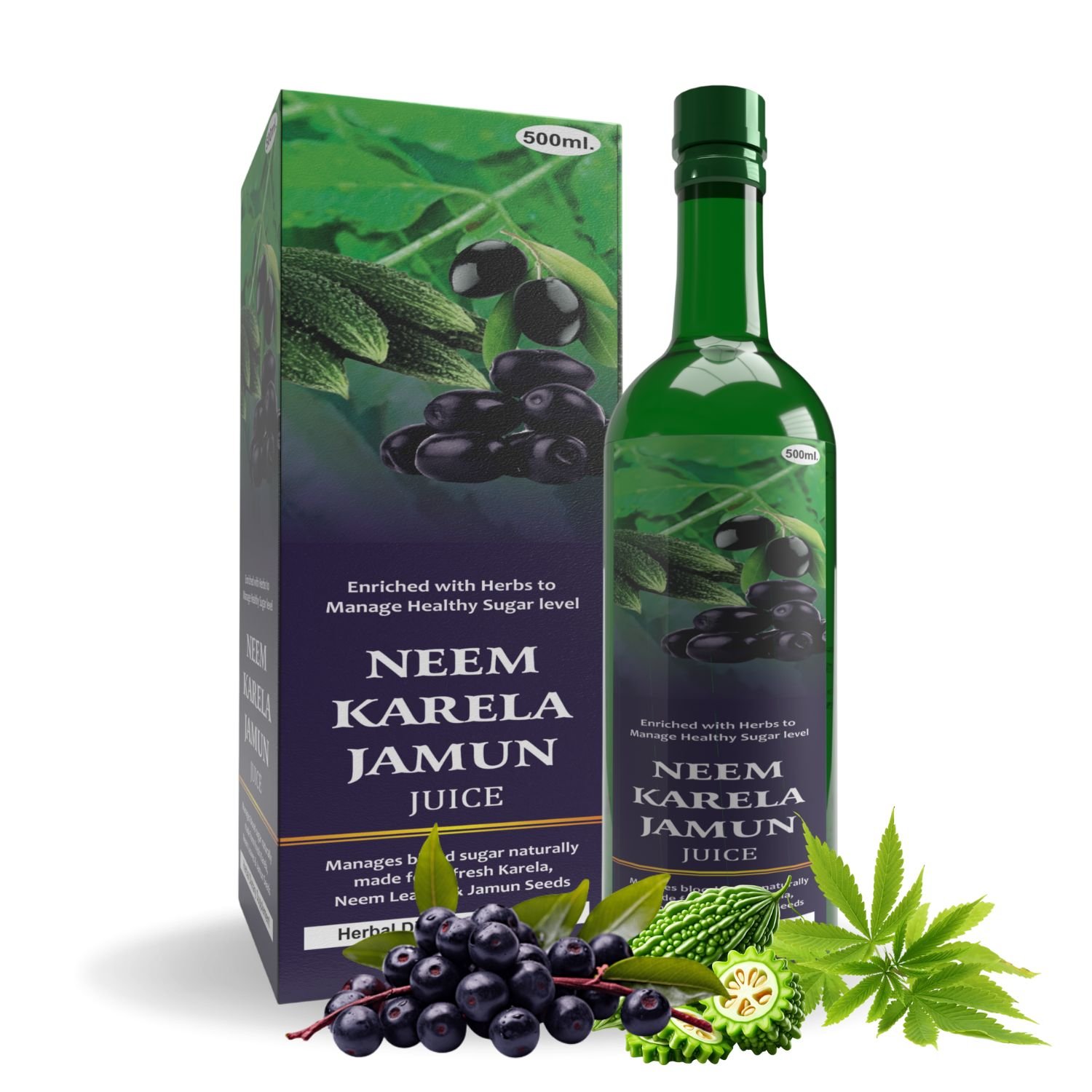 500ml · Juice
Doctor-formulated Ayurvedic blend for glucose, liver & immunity.
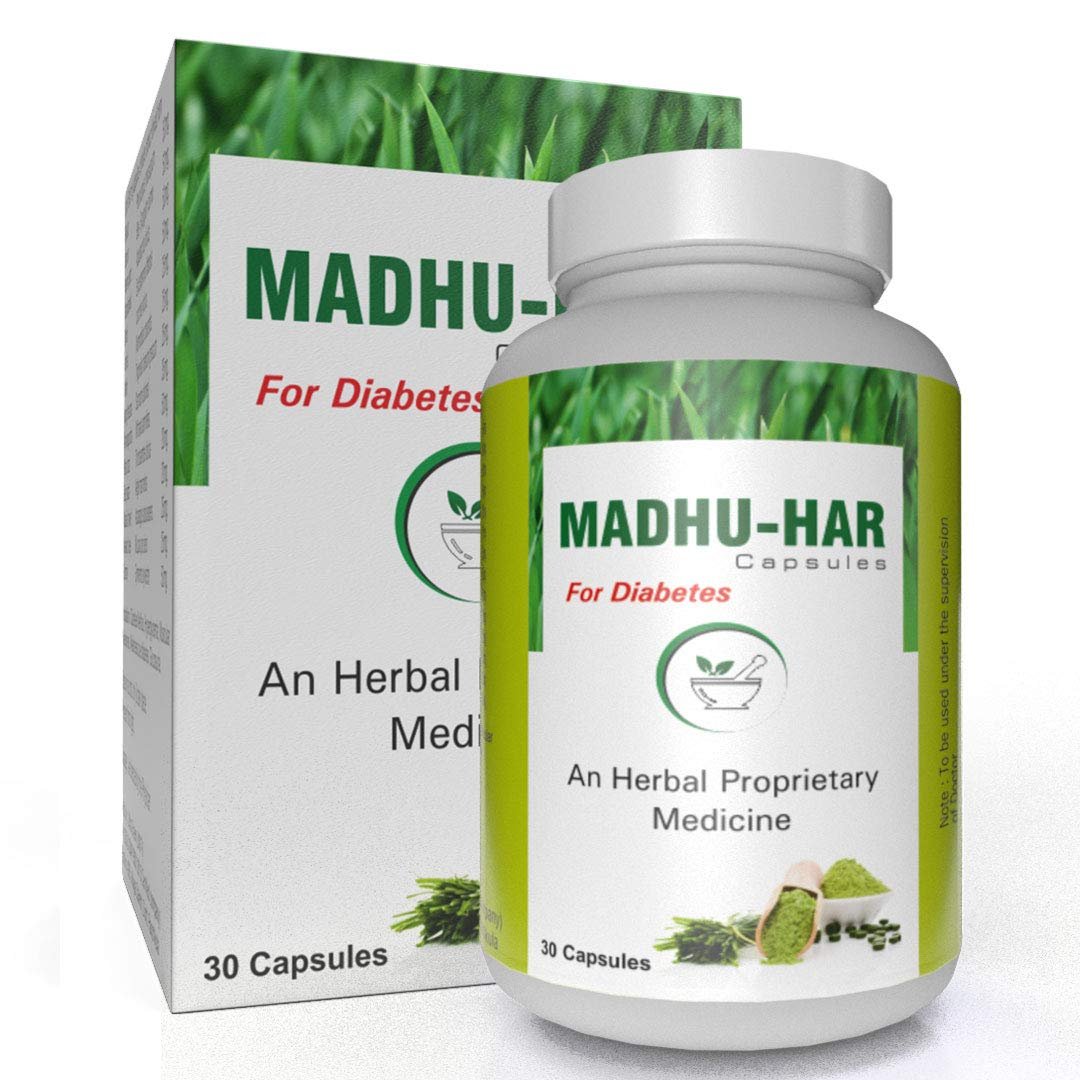 30 Caps · Capsule
10 Ayurvedic herbs — Gurmar, Ashwagandha & Methi for sustained glucose control.
Supplements, not medicines. Always consult your doctor if you are on diabetes medication or insulin before use.
Disclaimer: This article is intended for general informational and educational purposes only. It does not constitute medical advice, diagnosis, or treatment. Neem karela jamun juice is a traditional Ayurvedic supplement and has not been evaluated by any regulatory authority as a treatment for diabetes or any other medical condition. If you have diabetes, are pregnant, have a known enzyme deficiency such as G6PD deficiency, or are taking any prescription medications including antidiabetic drugs or insulin, consult a qualified healthcare professional before using this or any herbal supplement. Never discontinue or reduce prescribed medication based on the information in this article.